Hemlock Cutting Services for Property Owners
Visitors will learn about Hemlock cutting services and how to compare local contractors who handle this work.
- - Residential property owners seeking to remove overgrown or hazardous hemlock trees safely and efficiently.
- - Commercial property managers needing professional hemlock tree removal to maintain landscape safety and appearance.
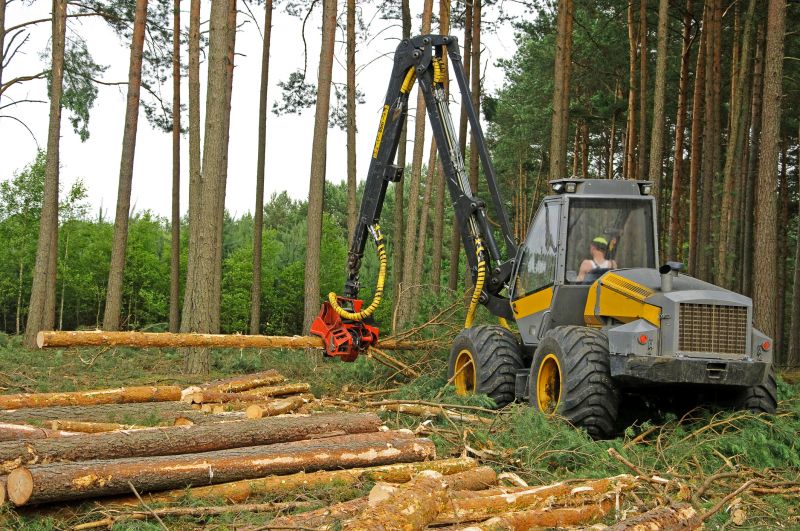
- - Land clearing projects where local contractors provide expert hemlock cutting services to prepare sites for development or renovation.
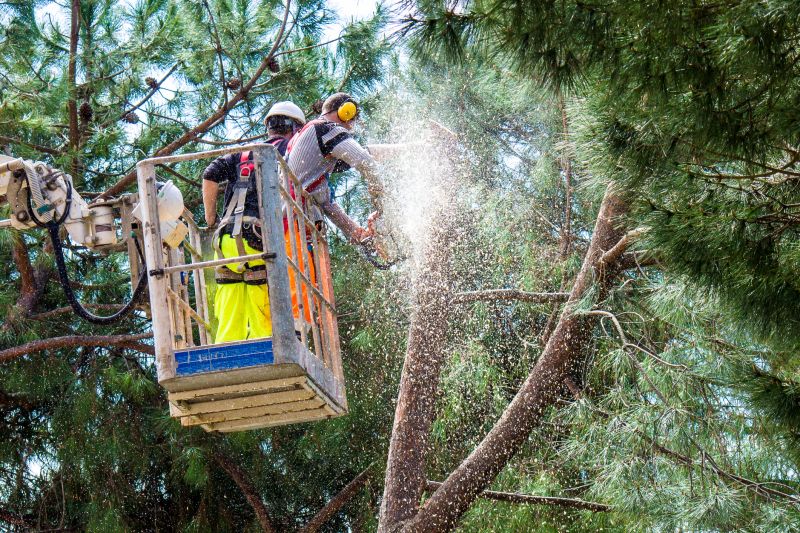
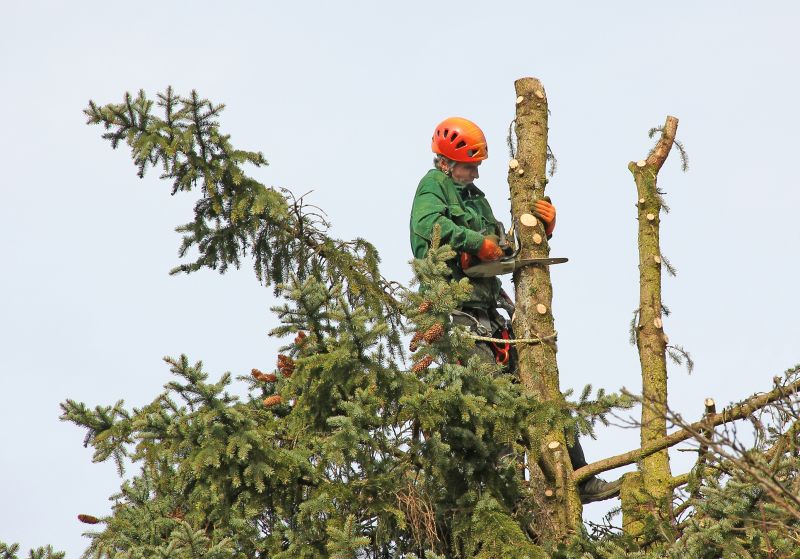
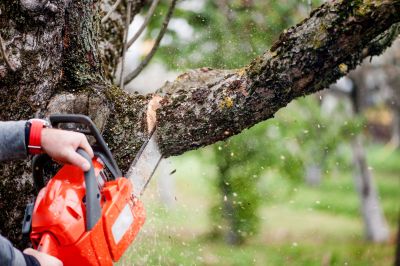
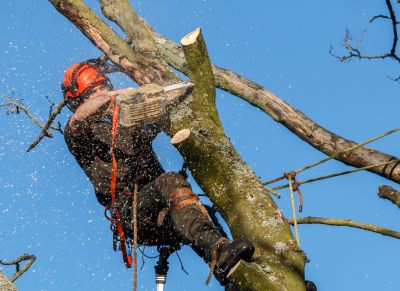
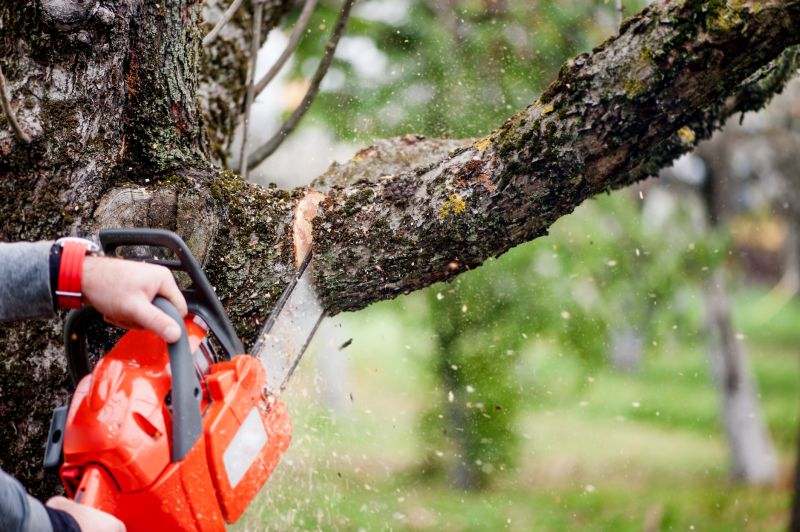
Hemlock cutting services involve removing or trimming these specific trees to improve safety, aesthetics, or property management. Property owners often seek out local contractors who specialize in tree removal or trimming to handle overgrown or hazardous hemlocks, especially in cases where the trees have become diseased, damaged, or pose a risk to structures or nearby power lines. These professionals typically assess the trees’ condition, determine the appropriate cutting methods, and ensure the work is completed efficiently and safely.
Connecting with experienced local contractors can help property owners find the right solutions for their hemlock trees. Whether dealing with a single problematic tree or managing multiple specimens, local pros are equipped to provide the necessary services. They can offer guidance on the scope of work, recommend the best approaches for healthy growth or removal, and ensure the job meets the specific needs of each property.
This guide provides helpful information to understand the scope of hemlock cutting services and what to consider when planning a project. It assists in comparing local contractors and connecting with experienced service providers in your area. The goal is to help you gather the basics needed to make informed decisions about your hemlock removal needs.