Poison Ivy Removal in Lancaster, PA
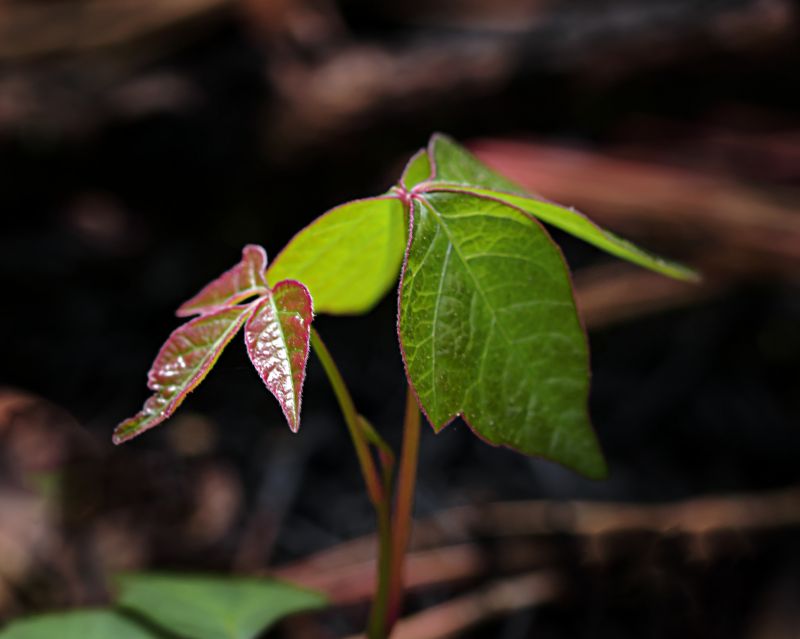
Poison ivy removal services are designed to safely and effectively eliminate this invasive plant from residential properties. These services typically cover projects such as clearing overgrown areas, trimming vines on trees or fences, and removing patches of poison ivy from lawns, gardens, and landscaping features. Homeowners often seek this service to prevent skin irritation, protect children and pets, and maintain a safe outdoor environment, especially in areas where poison ivy is spreading or densely growing.
Before requesting poison ivy removal, property owners usually want to understand the extent of the infestation, the methods used for removal, and any necessary follow-up maintenance. It’s important to identify whether the plant is growing on the ground or climbing on structures, as this can influence the approach taken. Clarifying whether removal includes root extraction or just surface trimming can help ensure the project meets safety and aesthetic expectations. Proper removal helps prevent regrowth and reduces the risk of contact with the plant’s urushiol oil, which causes allergic reactions.
Many property owners in Lancaster, PA look into Poison Ivy Removal for repairs, replacements, upgrades, and appearance-related improvements.
Understanding Poison Ivy
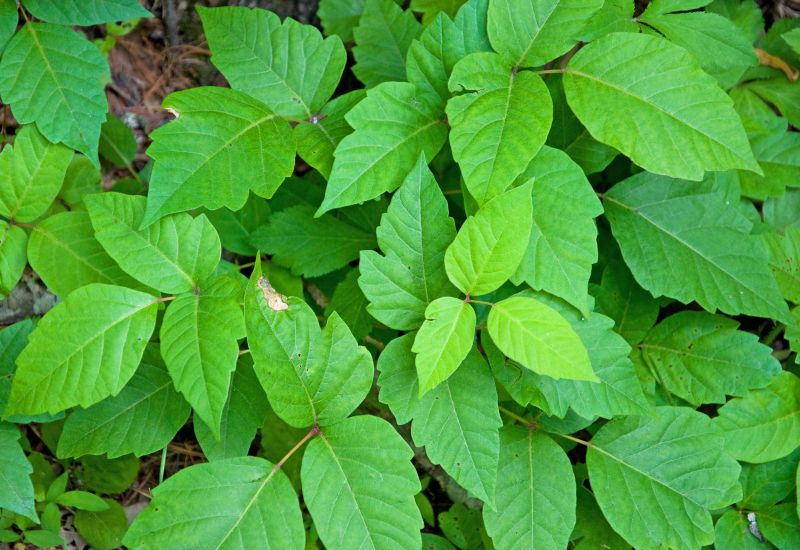
Poison ivy can cause skin irritation and is common in wooded and landscaped areas around lancaster homes.
Signs Of Infestation
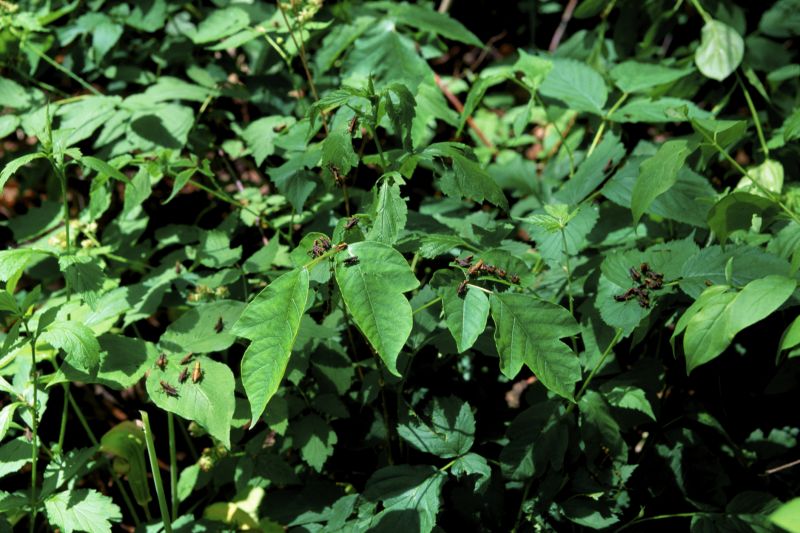
Identifying poison ivy growth early helps prevent spread and reduces the risk of contact for property owners.
Removal And Prevention
Professional removal ensures safe elimination of poison ivy and advice on preventing future growth on residential and commercial properties.
Poison Ivy Removal in Lancaster, PA
Poison ivy removal services are designed to safely and effectively eliminate this invasive plant from residential properties. These services typically cover projects such as clearing overgrown areas, trimming vines on trees or fences, and removing patches of poison ivy from lawns, gardens, and landscaping features. Homeowners often seek this service to prevent skin irritation, protect children and pets, and maintain a safe outdoor environment, especially in areas where poison ivy is spreading or densely growing.
Before requesting poison ivy removal, property owners usually want to understand the extent of the infestation, the methods used for removal, and any necessary follow-up maintenance. It’s important to identify whether the plant is growing on the ground or climbing on structures, as this can influence the approach taken. Clarifying whether removal includes root extraction or just surface trimming can help ensure the project meets safety and aesthetic expectations. Proper removal helps prevent regrowth and reduces the risk of contact with the plant’s urushiol oil, which causes allergic reactions.
Many property owners in Lancaster, PA look into Poison Ivy Removal for repairs, replacements, upgrades, and appearance-related improvements.
Common Poison Ivy Removal Jobs
Poison Ivy Removal Services - safely eliminating invasive plants from residential and commercial properties.
Property Clearing - removing poison ivy from lawns, gardens, and landscape beds.
Tree and Shrub Trimming - pruning affected branches to prevent the spread of poison ivy.
Fence Line and Boundary Clearing - clearing poison ivy along property borders and fences.
Yard Cleanup - disposing of removed plants to prevent regrowth and protect family and pets.
Preventative Treatments - applying barriers or treatments to reduce future poison ivy growth.
Poison Ivy Removal Questions
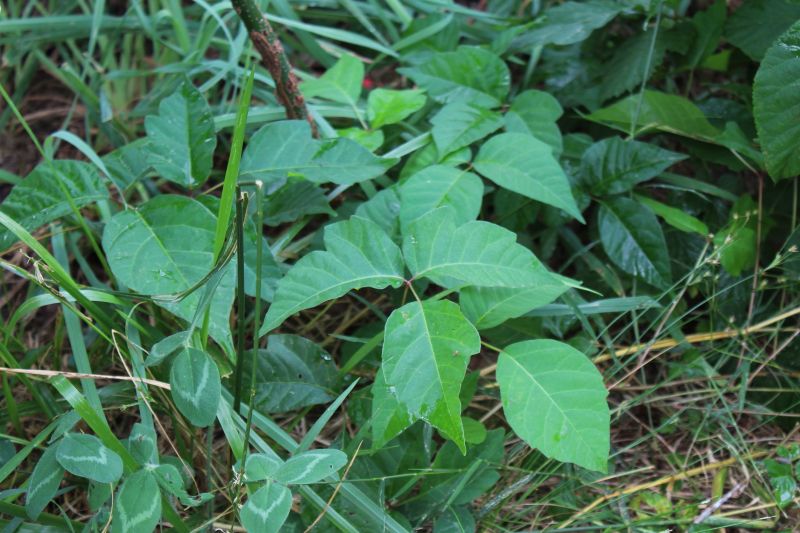
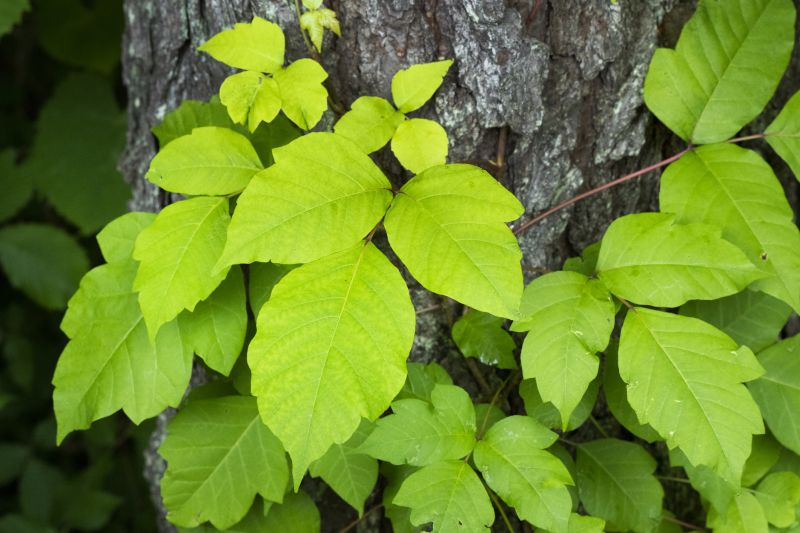
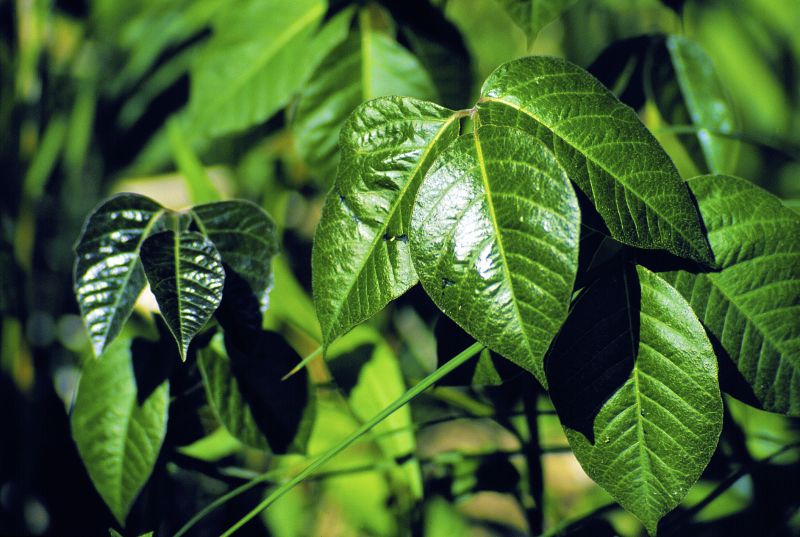
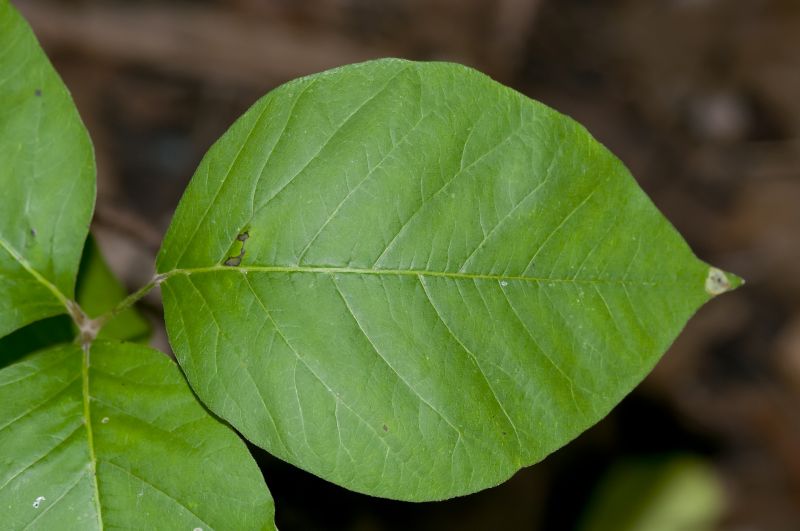
What are the signs of poison ivy on a property? Poison ivy typically appears as clusters of three leaflets with a shiny or matte surface, often growing along fences, trees, or ground cover.
Is poison ivy removal safe for my landscape? Removal should be done carefully to avoid skin contact and damage to surrounding plants, often involving proper protective gear and disposal methods.
Can poison ivy grow back after removal? Yes, if roots are not completely removed, poison ivy can regrow from remaining roots or underground stems.
What areas are most affected by poison ivy? Poison ivy commonly grows in shaded areas, along fences, under trees, and in areas with dense brush or overgrown vegetation.
Request Poison Ivy Removal in Lancaster, PA
Use the quote form on this page to share the basics of your project and request more information for the type of work you need.